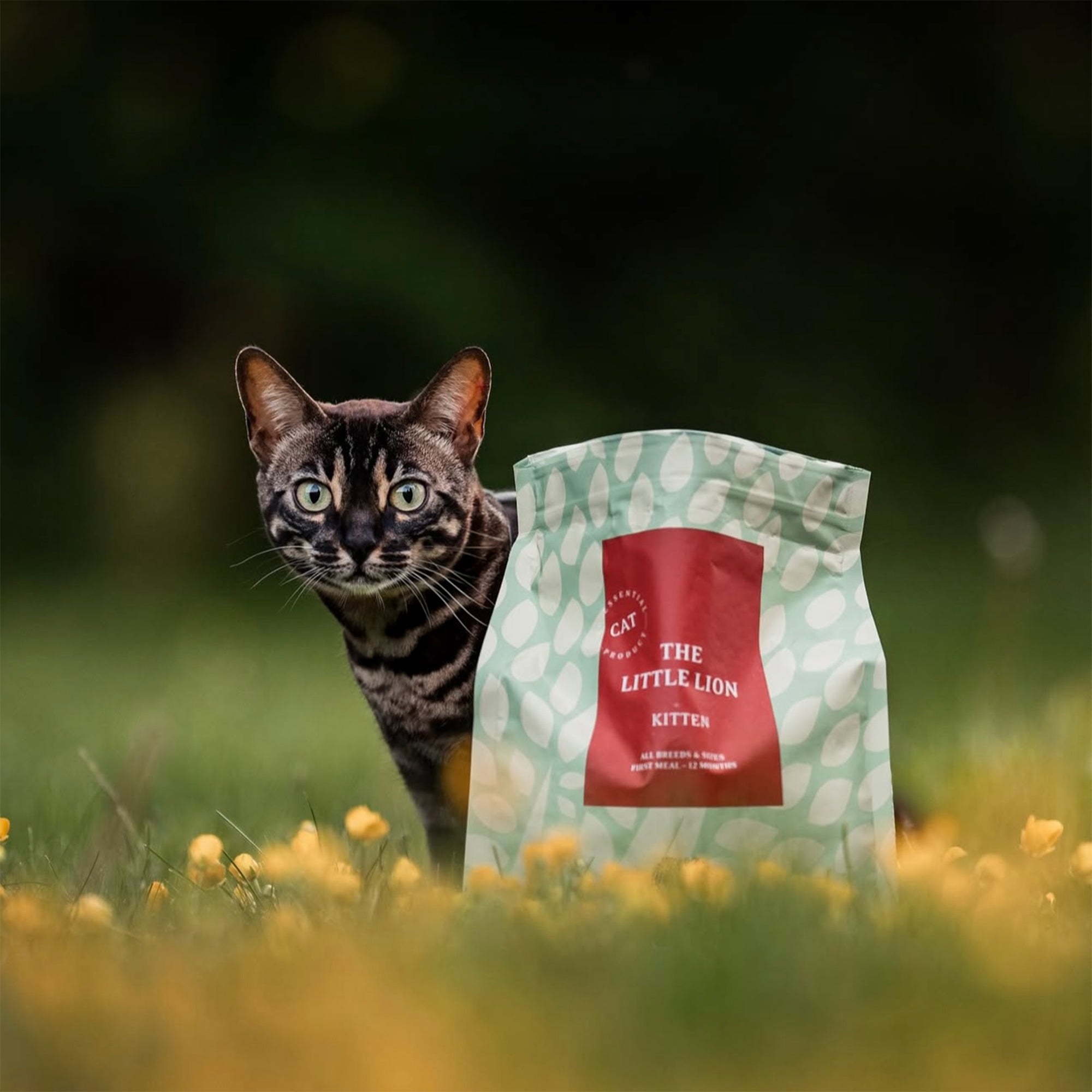
Kitten food for those first, formative months
A kitten grows faster in its first few months than at any other point in life, which is why its needs, though small in scale, are considerable in practice. Kitten food must deliver high nutritional density in tiny mouthfuls, support muscle development, vision and immunity, and remain gentle on a digestive system that is still finding its rhythm. The meals in this collection have been composed with precisely that in mind: grain-free recipes made with human-grade ingredients and a generous proportion of meat and fish, prepared from fresh produce in Our finest British Heritage Kitchens.
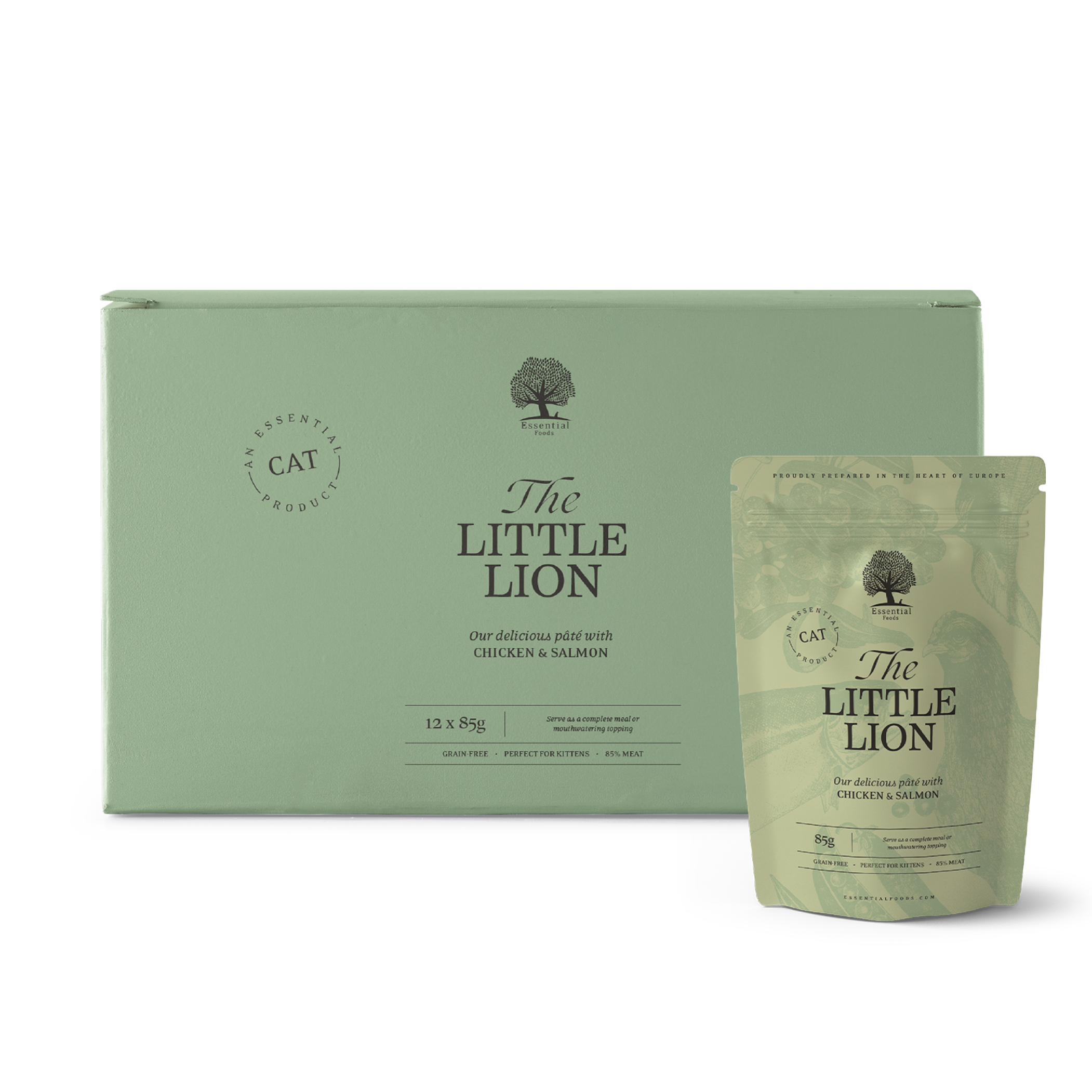
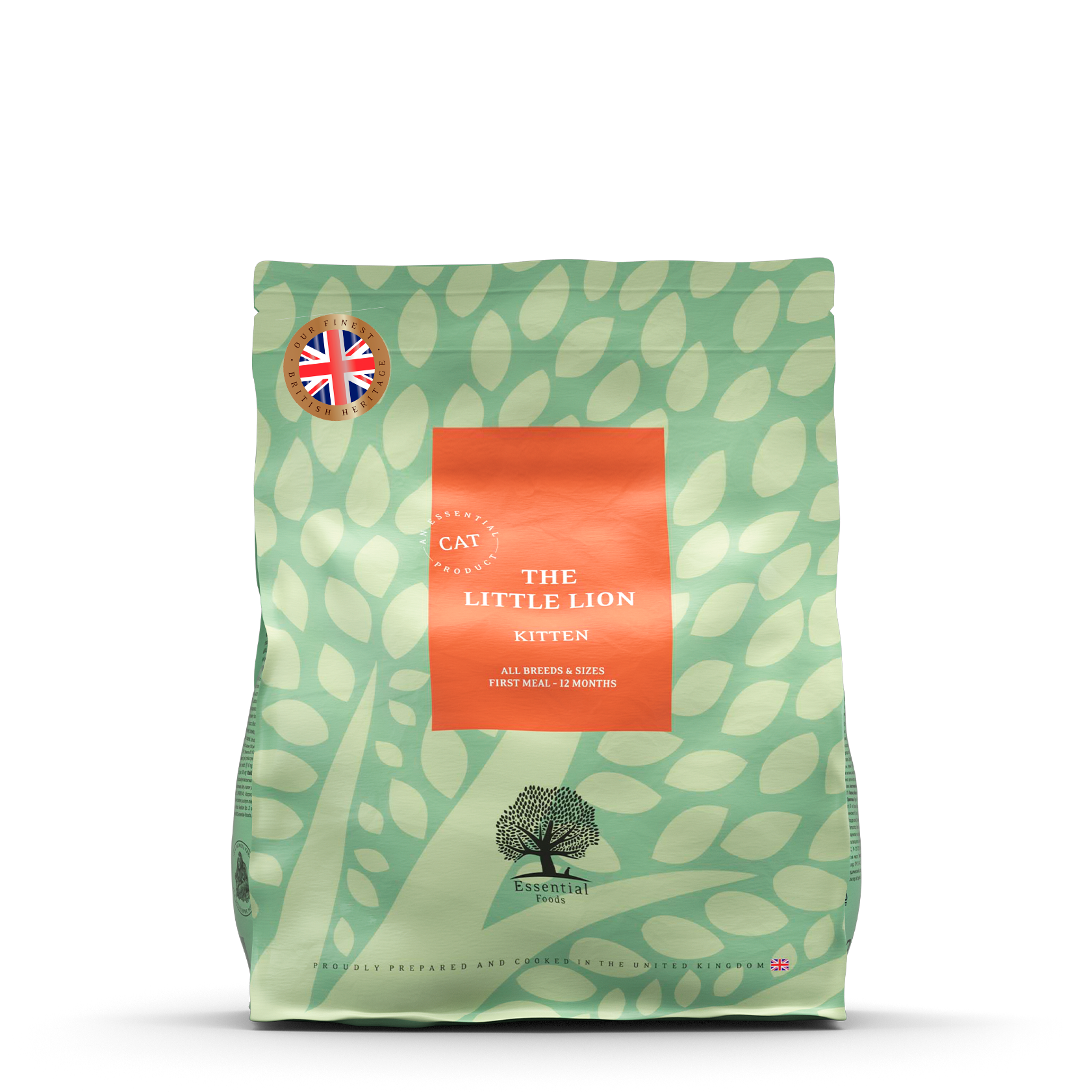
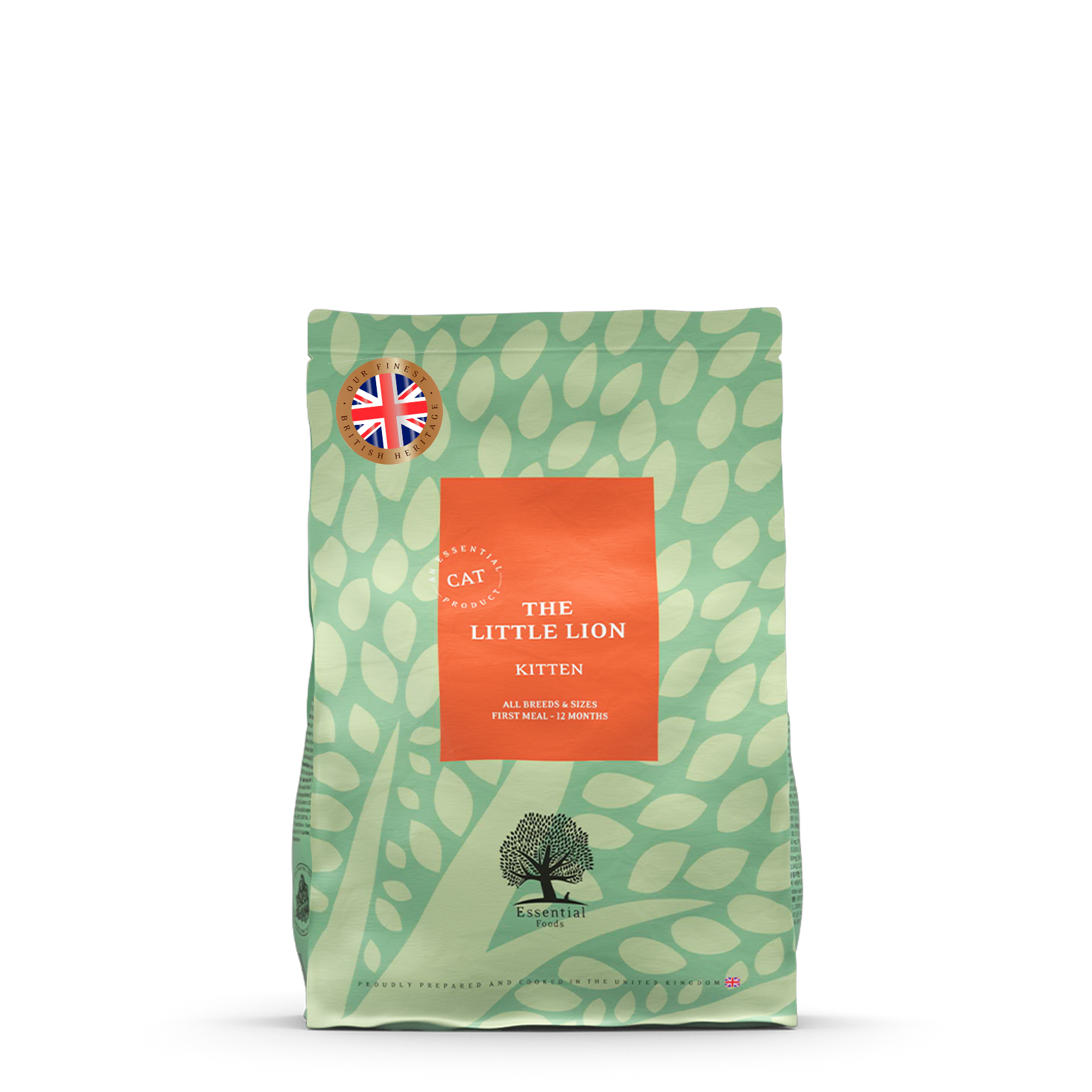
The collection includes dry meals from LITTLE LION, THE LITTLE LION PÂTÉ for those days when your kitten prefers something softer, and the KITTEN LOVE PACKAGE, which brings meals and treats together in a single introduction created for our little lions. That way, you can offer your kitten variety without compromising on what goes into the bowl.
How to choose the right food for kittens
Begin by considering what your kitten actually enjoys eating, and how well it agrees with them. LITTLE LION is built around +95% free-range British chicken and duck, Scottish salmon and trout, and that high proportion of animal protein suits a small predator's stomach, which is designed for meat. THE LITTLE LION PÂTÉ consists of 85% chicken, liver and salmon, and it is easy to eat, richly aromatic and often a good choice for kittens who have only just left home and are settling into unfamiliar surroundings. Many kittens do best on a combination, with dry meals left out during the day and a PÂTÉ served as the highlight of the day.
The transition from the breeder's food to new meals should happen gradually over the course of about a week, mixing in a little more of the new food each day. If you are unsure about quantities, about when your kitten should move on to meals for adult cats, or about how to win over a fussy little soul, ESSENTIAL FOODS' nutritional advisers are on hand by phone, chat and email to help you find the right match for your particular kitten.
Grain-free meals and fresh produce
Cats are obligate carnivores, and their digestion was never designed for large quantities of grain. That is why our kitten meals are grain-free recipes built around meat and fish, complemented by berries, vegetables and herbs such as blueberry, cranberry, sea buckthorn, spinach and carrot. Salmon oil contributes fatty acids that support coat and skin during the period when your kitten is exchanging its baby fur for an adult coat, while probiotics help maintain balance in the gut at a time when a wealth of new impressions and feeding habits are making their demands.
All meals are BOF-approved, which means the composition has been assessed on how the nutrition affects a cat's behaviour and wellbeing, not simply its growth curve. A kitten with steady energy throughout the day is usually also a kitten with a more even temper and a better night's sleep.
Feeding in practice: portions, peace and good habits
Kittens have small stomachs and considerable appetites, so divide the daily ration into several small servings rather than a couple of large ones. Four to five meals a day works well for the first few months, after which you can gradually reduce to two or three. Place the bowl somewhere calm with a clear line of sight, and keep it well away from the litter tray, as cats instinctively avoid eating close to their toilet. Fresh water should always be available in a separate bowl, set a little apart from the food.
Treats are part of good upbringing and part of those small moments in which you get to know one another, but they should be kept to a modest share of the total daily ration. If you choose treats for cats, use them deliberately for training and connection rather than leaving them freely available. If you would like to broaden the repertoire with softer servings, you will find more options among our cat pâté, which also works well for increasing fluid intake in kittens who drink too little.