Why moisture content is the most important property of wet food
Wet food for cats differs from dry food in one crucial respect: it consists of a high proportion of water, typically around three quarters of the content. That is no minor detail. The cat descends from desert animals and has a poorly developed thirst instinct, so many cats drink too little to meet their fluid needs if they are only given dry food. When the water comes along with the food itself, the cat takes in a large part of its daily fluids without having to seek out the water bowl.
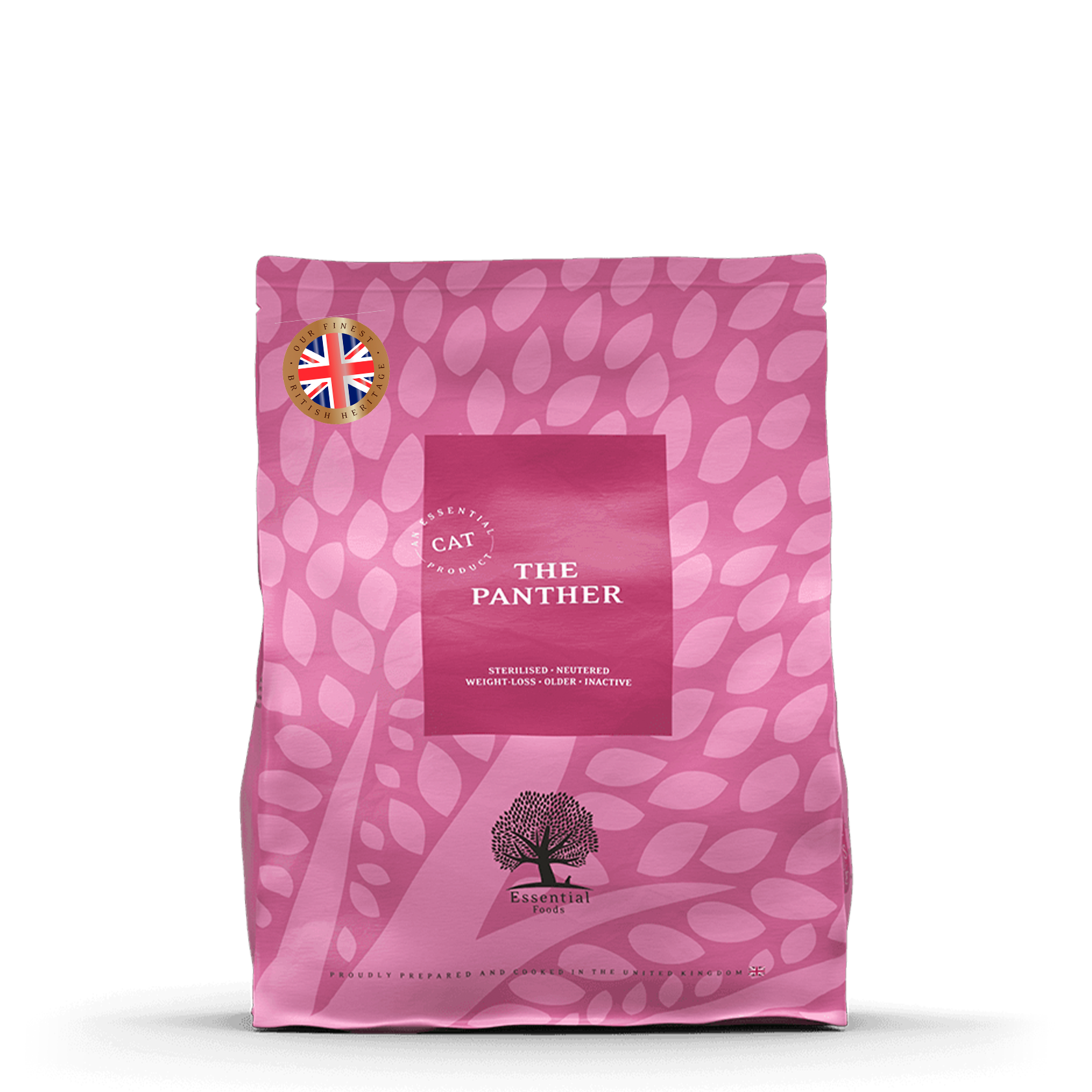
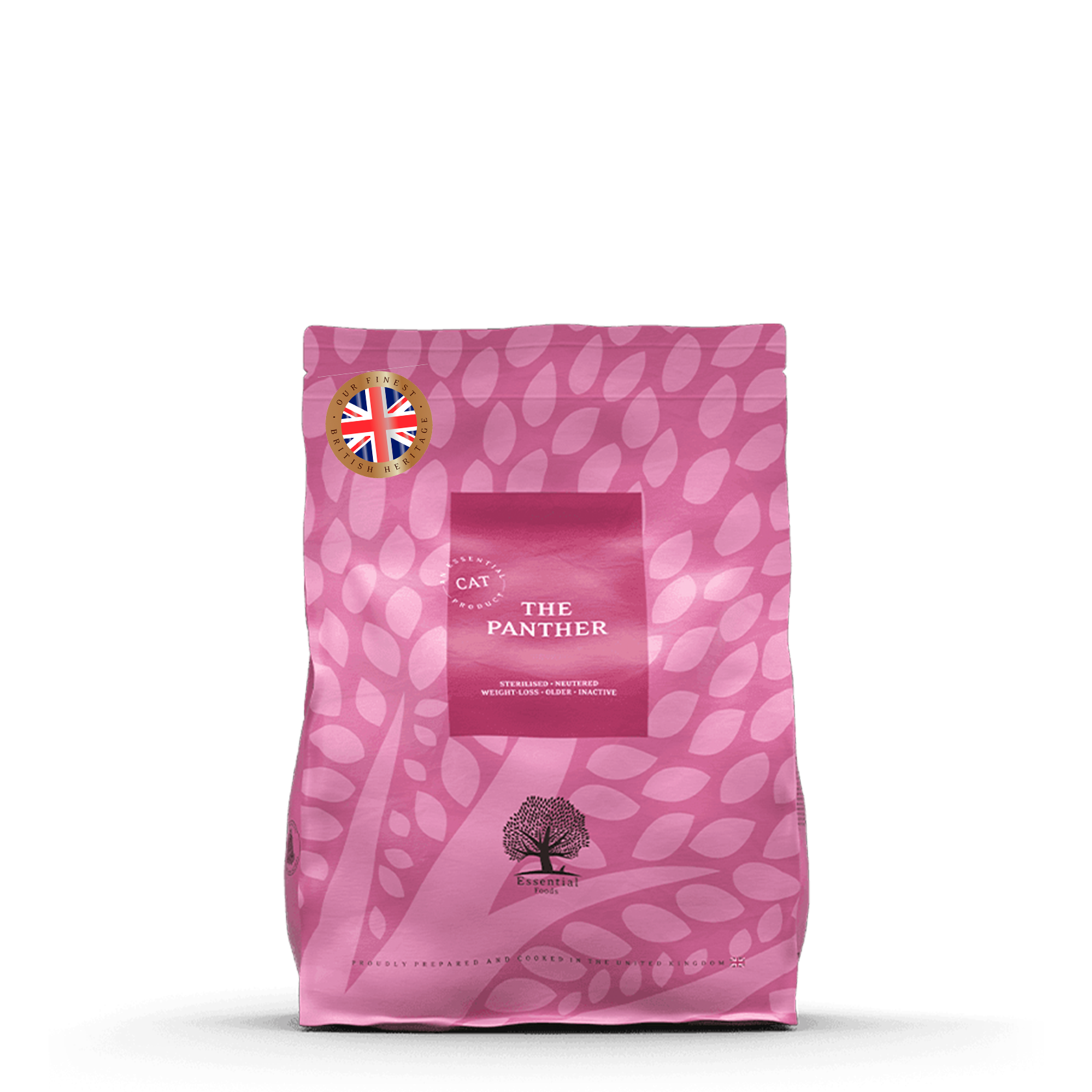
This matters for the kidneys and urinary tract, which are among the areas where cats most often develop problems with age. A cat that gets a good part of its nutrition through wet food produces more and more diluted urine, which flushes the urinary tract through. That is why many vets recommend wet food as part of the diet plan, especially for male cats, neutered cats and older cats, where the risk of urinary tract problems is greater. If you want to feed a neutered cat, you can see the selection of meals for neutered cats.
Wet food or dry food for your cat
The question is often posed as if one must win out over the other, but the two types of food each solve their own task. Wet food provides moisture, smells and tastes strongly, and fills the cat up without necessarily providing many calories per gram. Dry food is easy to portion, can be left out in the bowl for longer and is convenient for free feeding and for cats that eat a little at a time many times throughout the day.
Many cat owners combine the two. A widespread solution is dry food as the base and a wet meal once or twice daily, so the cat gets both the moisture from the wet and the convenience from the dry. If the cat is fussy about its dry food, a spoonful of wet food or a little pâté on top can make the bowl far more tempting, because the warmth and fat release aroma. The important thing is that the total daily amount suits the cat's weight and activity, regardless of how you divide it between wet and dry.
Pâté or wet meal with meat chunks
Wet food comes in several textures, and the difference matters both for the taste experience and for which cats it suits. Pâté is a uniform, soft mass without visible pieces. It is easy to eat for kittens, for older cats with poor teeth and for cats that gulp their food down quickly. Because the pâté is homogeneous, it is also easier to hide medicine in it or use it as a topping on dry food.
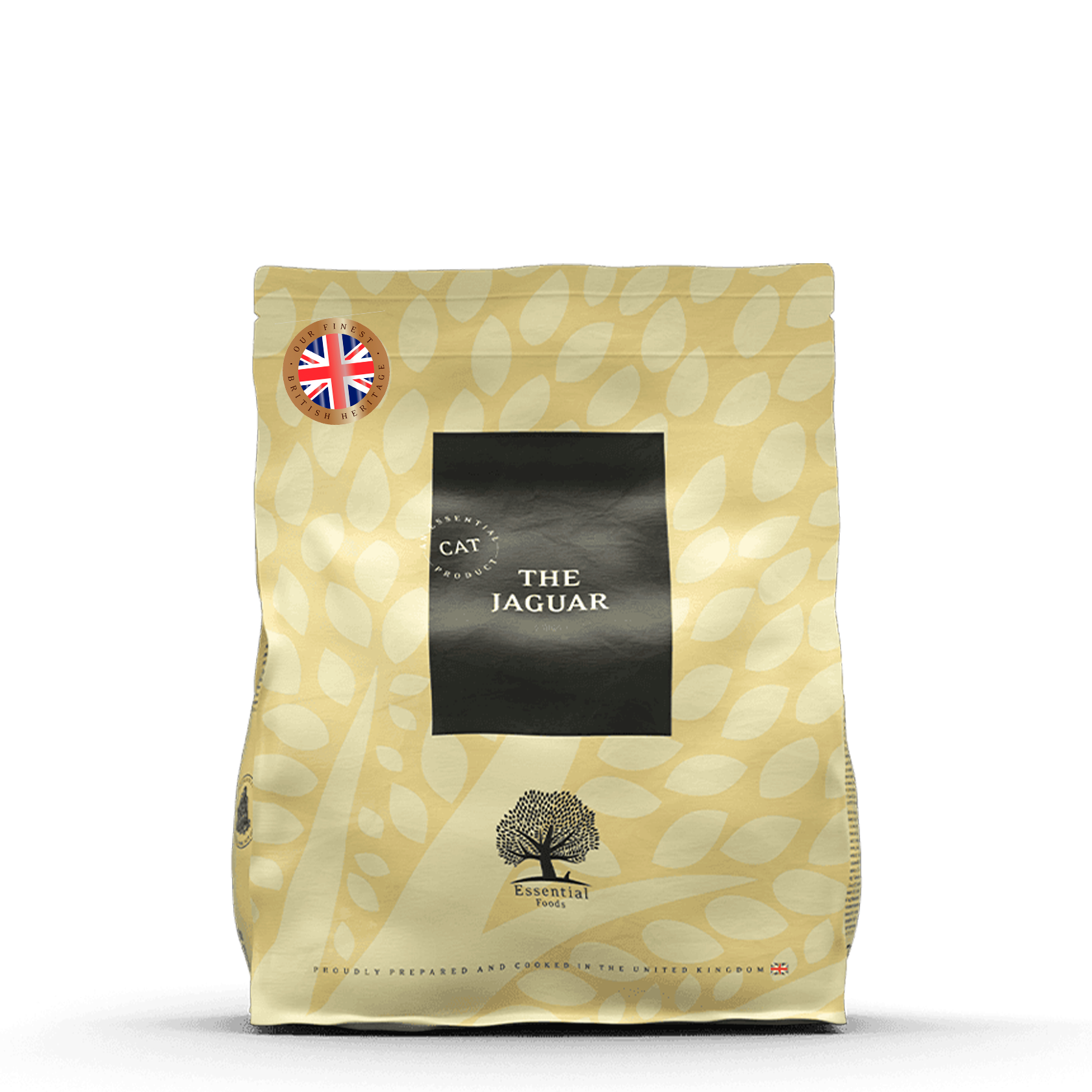
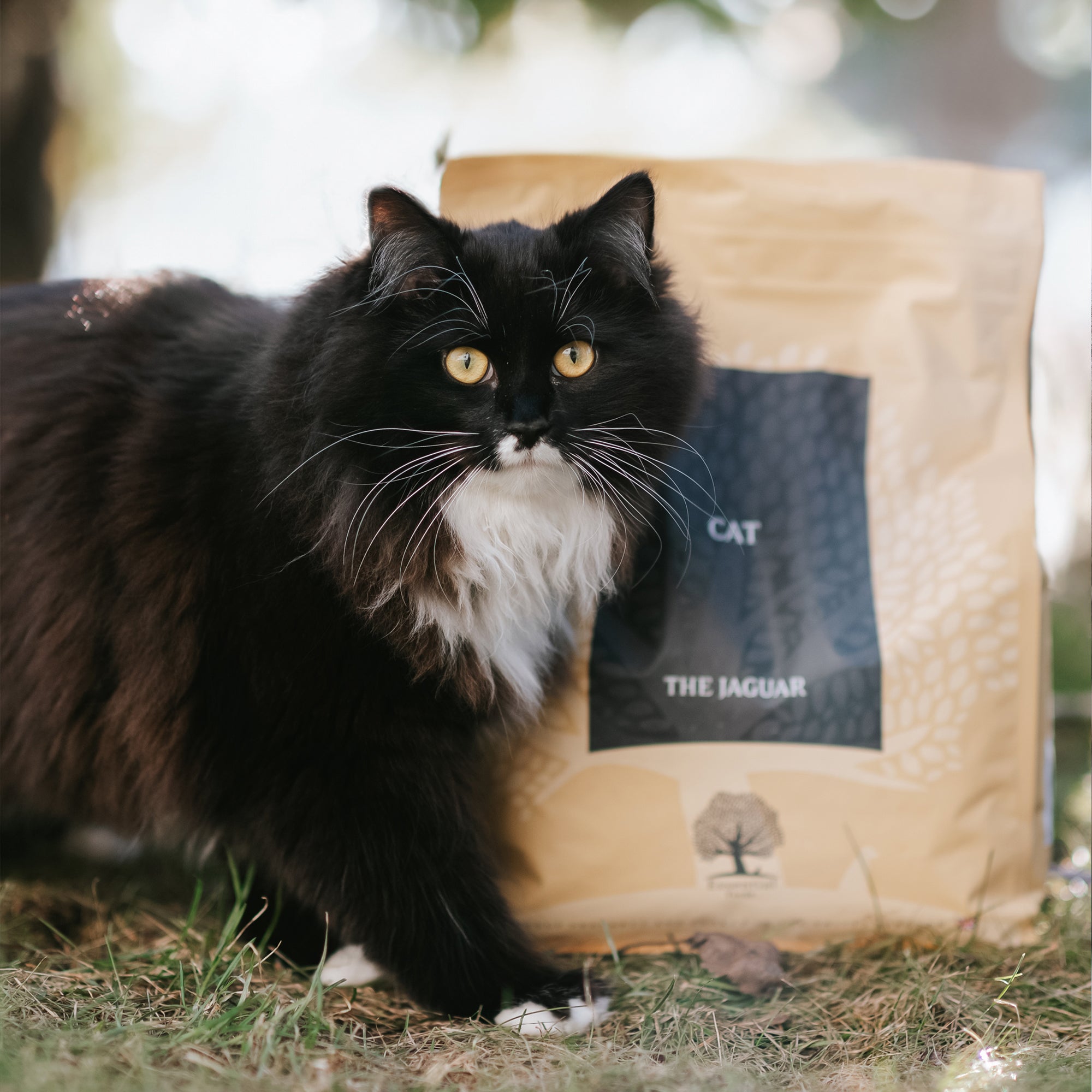
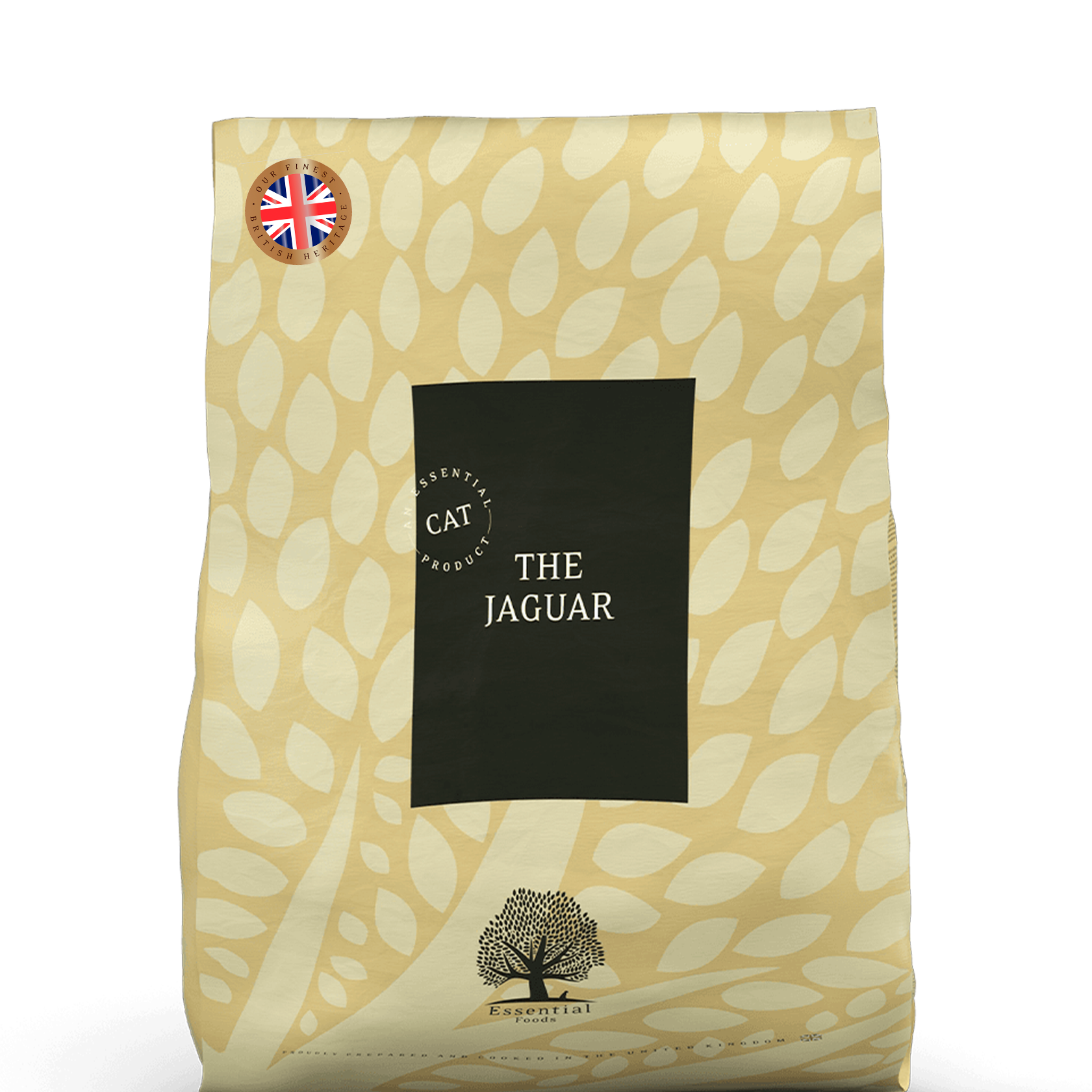
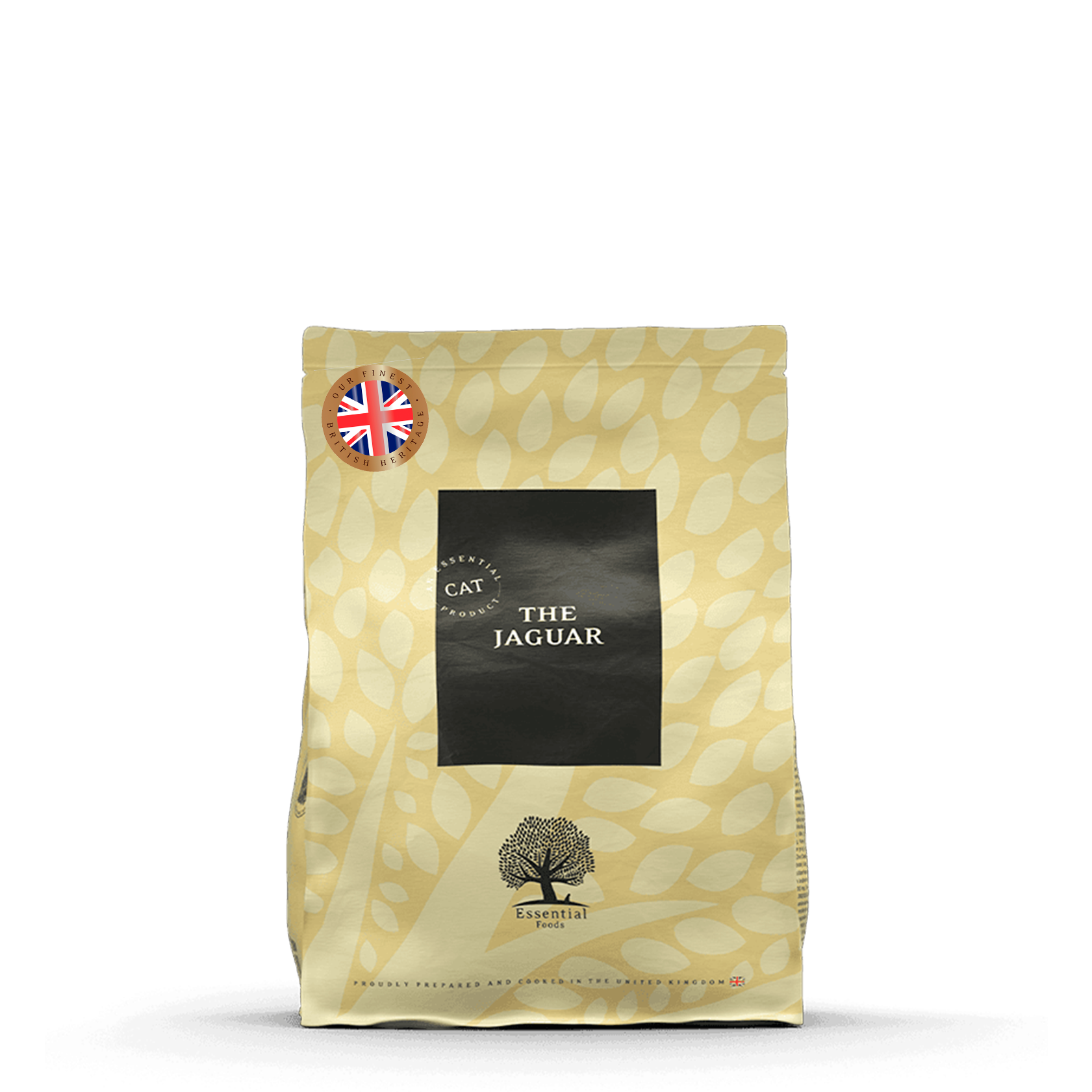
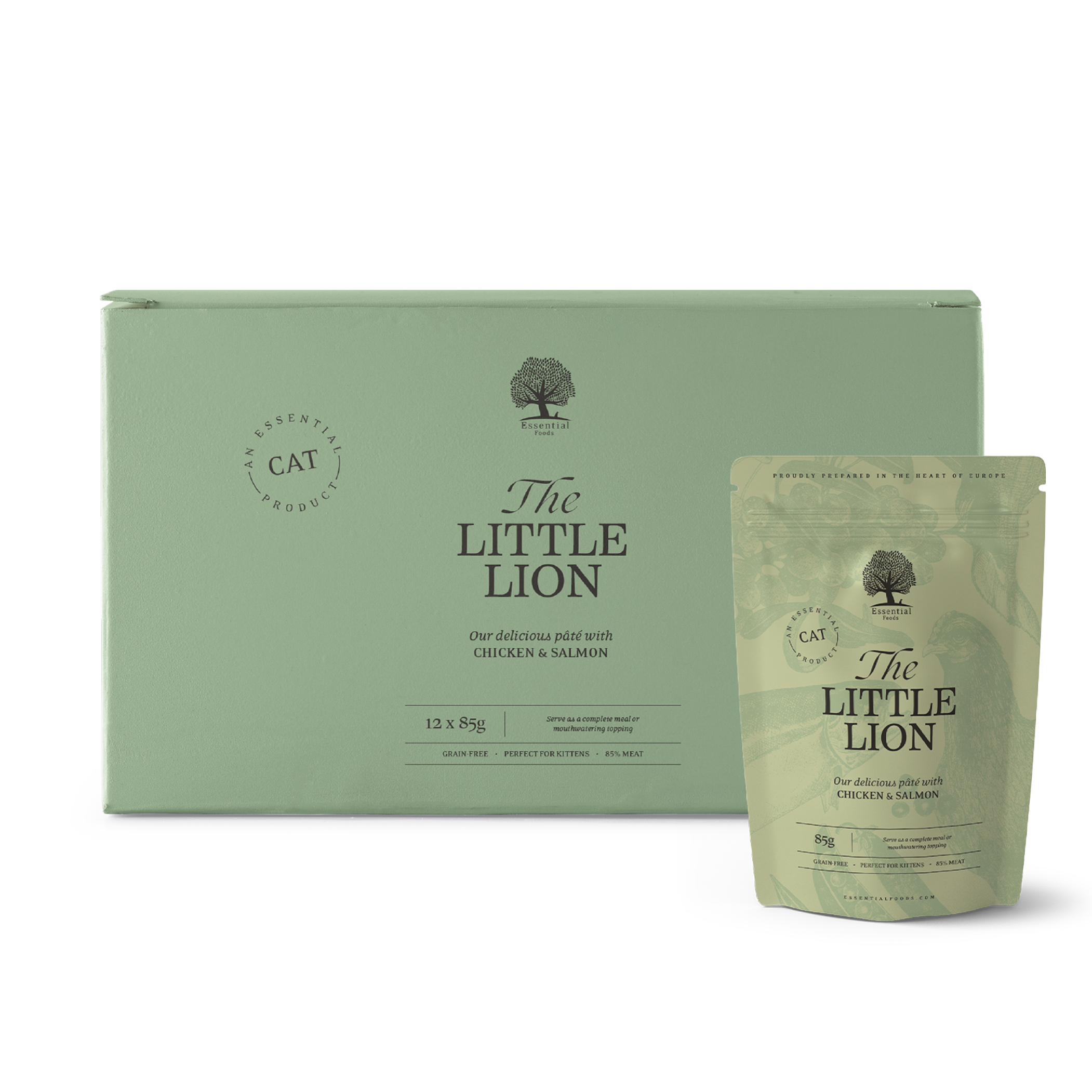
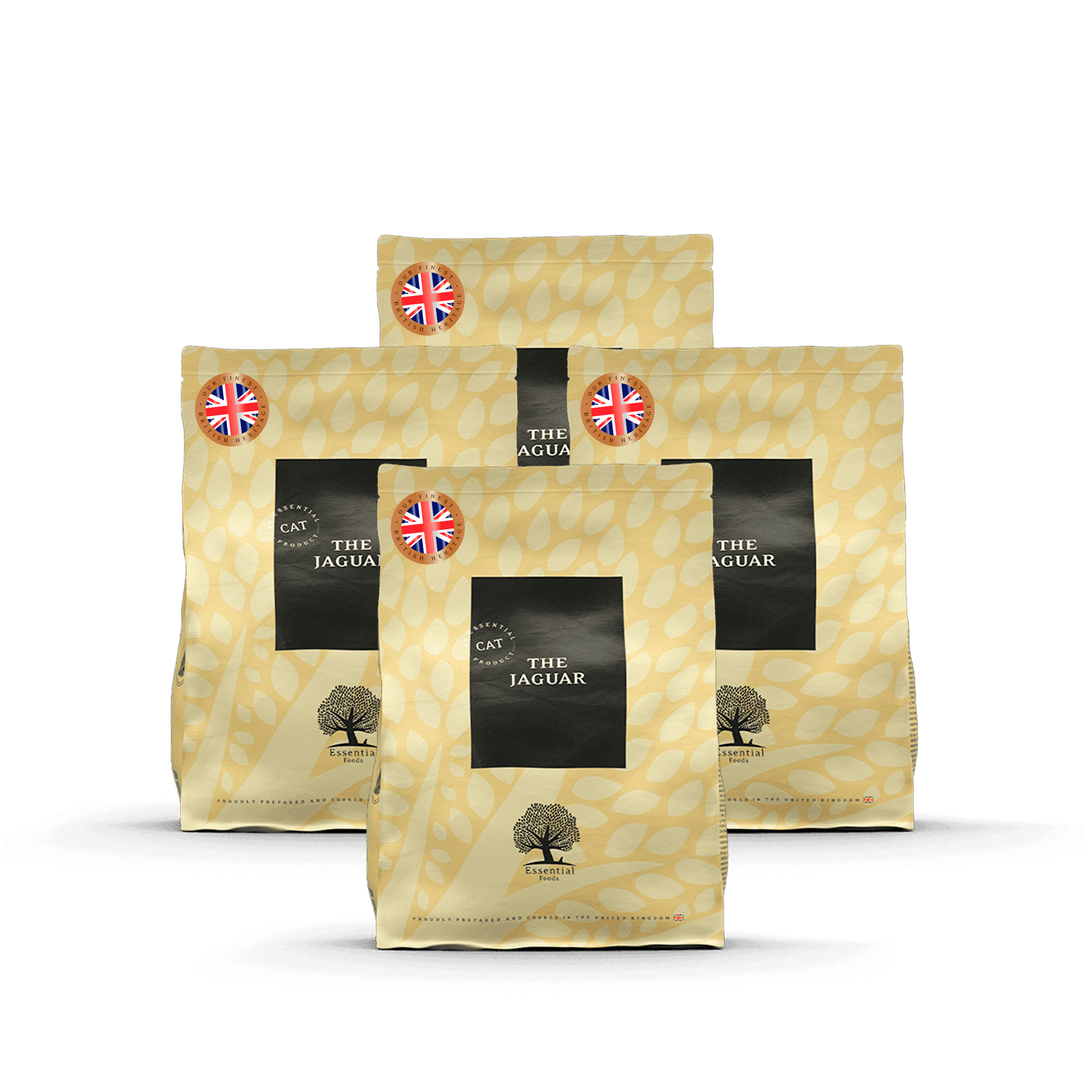
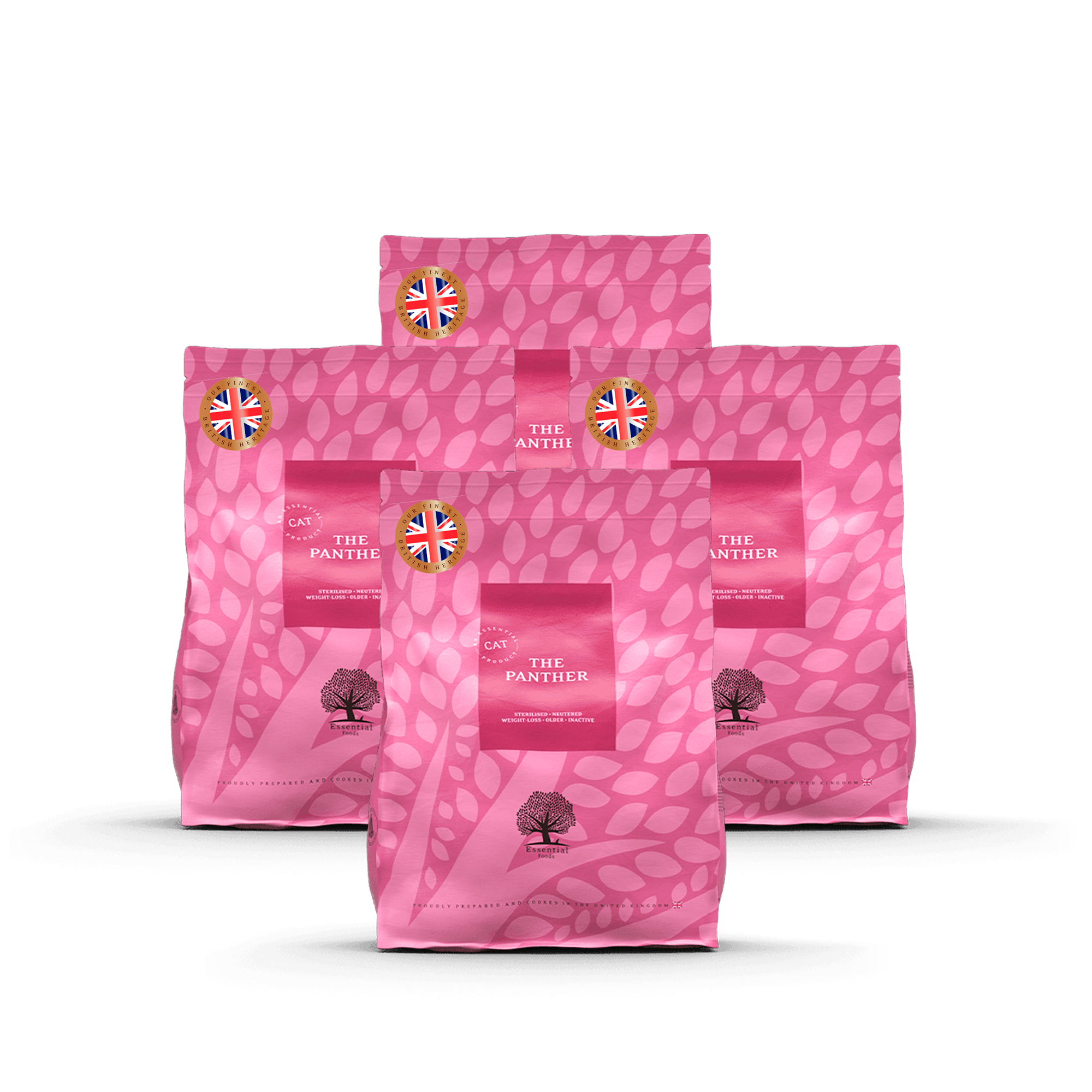
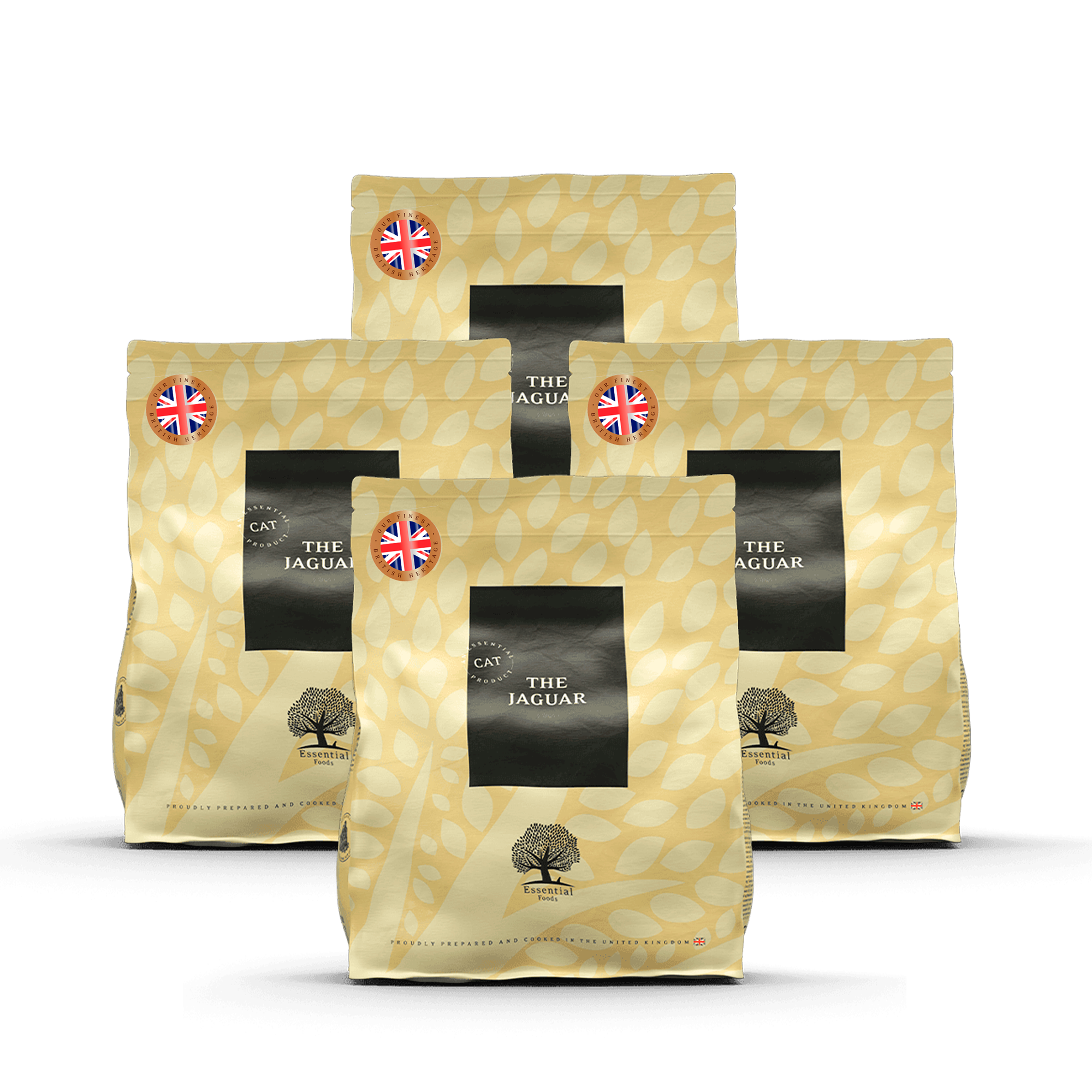
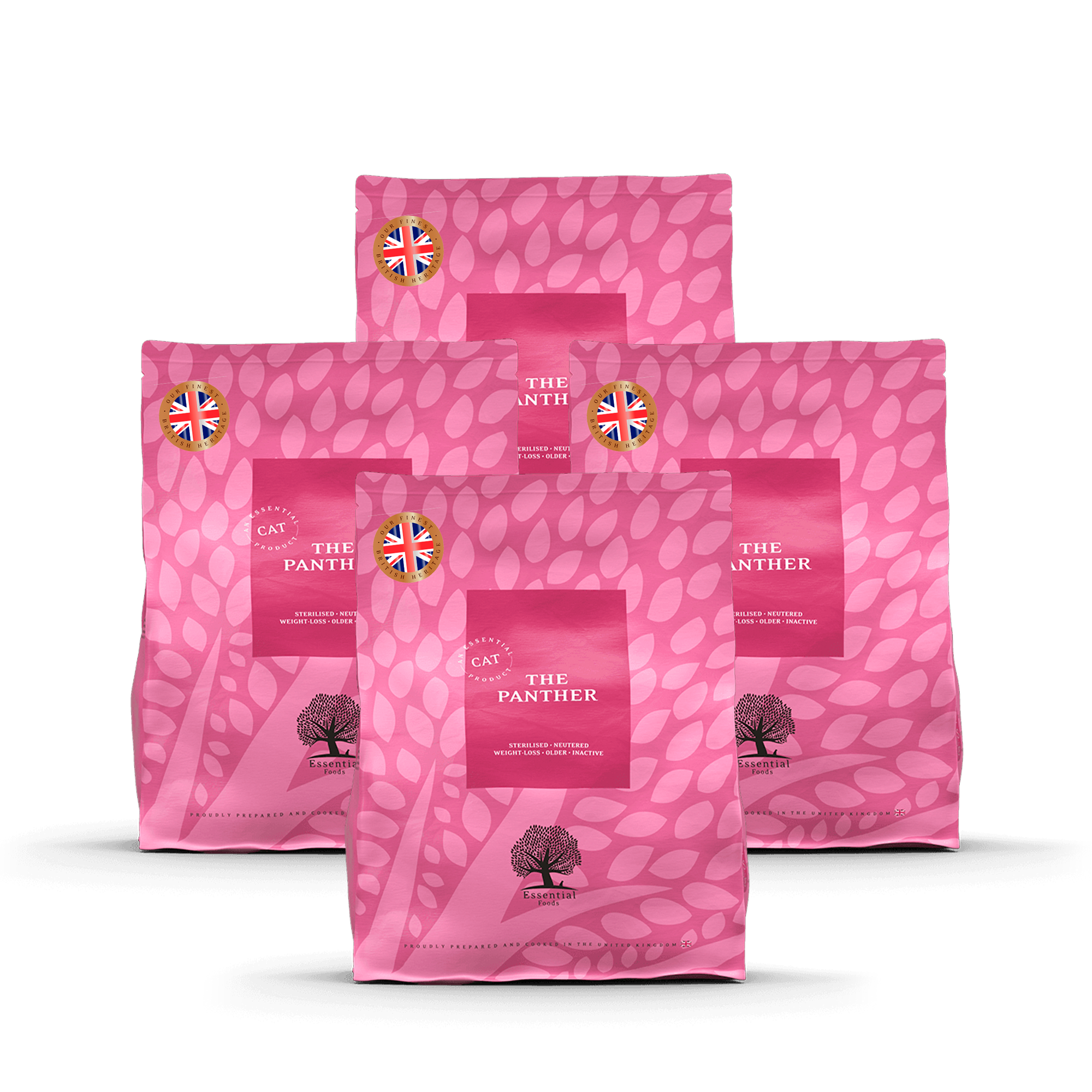
Wet meals with whole meat chunks or meat in gravy give the cat something to chew and a more varied mouthfeel. Some cats clearly prefer one over the other, and it is not unusual for a cat that turns its back on pâté to dive into meat chunks or vice versa. At Essential Foods you will find both: pure cat meals such as the jaguar, the panther and the little lion, as well as pâté in the form of cat pâté. If you are unsure what your cat will fall for, it is cheaper to try the taste first with a trial meals for cats.
How to choose according to the cat's age
A kitten, an adult cat and a senior have different needs, and that also applies to wet food. Kittens grow quickly and need more energy, protein and fat per kilo than a fully grown cat, so their food must be more nutrient dense. Wet food is at the same time a good tool during the transition from mother's milk, because the texture is soft and easy to eat. See meals aimed at the youngest under meals for kittens.
The adult cat must first and foremost maintain a stable weight and have its protein and fluid needs met through everyday life. Here a set wet meal daily works well alongside the rest of the diet, and the selection is found under meals for adult cats and as pâté for adult cats. The senior cat is often less active and may have a reduced appetite, dental problems or kidneys that work harder. Here the wet food's aroma, soft texture and high moisture content are a real advantage, and you will find age-appropriate meals under meals for senior cats.
How to tempt the fussy cat
Cats are creatures of habit, and a cat that suddenly refuses to touch its food is one of the most common reasons for going in search of new wet food. Smell is the cat's most important sense at the table, and wet food has a head start here, because it gives off far more aroma than dry food. Served at room temperature or slightly warm, the aroma is released even more, and many fussy cats eat considerably better from food that does not come straight from the fridge.
Another trick is variation in texture and taste, without changing the food from day to day. A too abrupt change can in itself make a cat reject the food, so introduce new wet food gradually by mixing it into the familiar one over a few days. If you want to find out what your cat actually likes, without buying large amounts you risk having to throw out, then start with a trial meals for cats.
How long can opened wet food stay out?
Wet food dries out and becomes unappetising more quickly than dry food, and it is at the same time a better growth medium for bacteria, because it is moist. As a rule of thumb, wet food should not be left out in the bowl for hours at room temperature. If the cat does not eat the portion within a reasonable period, it is better to remove the rest than to let it sit and become warm and dry.
An opened can or tray that you do not use up right away belongs in the fridge with a lid or film over it, so it does not dry out and absorb odours. Take it out in good time before the next meal, so it can reach room temperature, because cold food straight from the fridge tempts very few cats. If you are feeding a cat that eats a little at a time, it can be an advantage to divide a portion into several small servings throughout the day rather than pouring it all out at once.
Pure meat and honest content
The quality of wet food is largely determined by what is actually in it. Cats are obligate carnivores, which means they must have animal protein to thrive and cannot themselves produce all the nutrients they need from plant ingredients. That is why a high and clear animal content is more important for cats than for many other pets. Look for food where meat is the main ingredient, rather than food that is bulked up with cheap plant ingredients and binders.
Essential Foods makes cat meals with a focus on animal ingredients, and the entire combined range for cats is found under cat food. If you want to read more about what you should look for on the label before you choose, there is a review in the article what should cat food contain and a broader comparison in which cat food is best